Morocco is a Muslim-majority country with a relatively relaxed dress code in tourist areas, but a few practical guidelines will make your trip more comfortable and respectful.
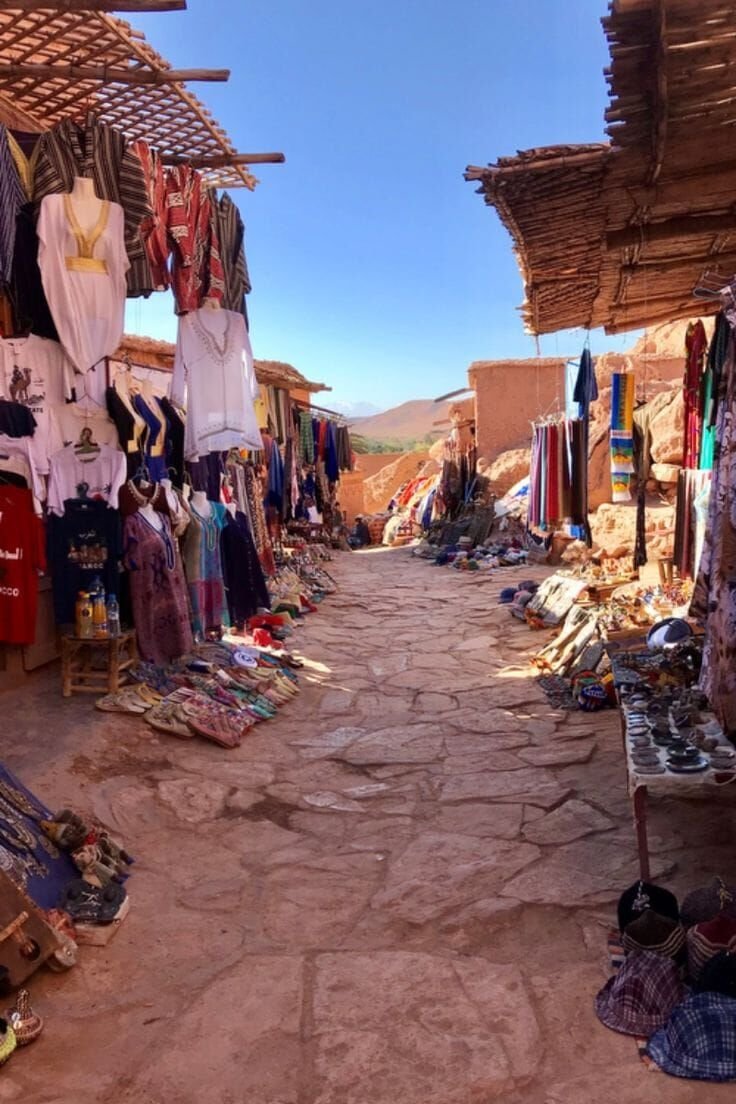
In cities and medinas: loose, lightweight clothing that covers shoulders and knees works best — both for cultural respect and for comfort in the sun. Locals dress conservatively but fashionably; you'll rarely see travelers in shorts and tank tops outside of resorts and the coast.
In the desert: layers are essential. Light, breathable fabrics for the day, a warm layer for cold desert nights, closed shoes for camel treks, and a scarf to protect against sand and sun.
Visiting mosques: most mosques in Morocco are not open to non-Muslims (the Hassan II Mosque in Casablanca is a notable exception with guided tours), but if you do enter a religious site, modest dress covering arms and legs is expected for all visitors.
Footwear: comfortable walking shoes are a must — medina streets are cobbled and uneven. Sandals are fine for cities but bring closed shoes for the Atlas Mountains or desert.
In cities and medinas: loose, lightweight clothing that covers shoulders and knees works best — both for cultural respect and for comfort in the sun. Locals dress conservatively but fashionably; you'll rarely see travelers in shorts and tank tops outside of resorts and the coast.
In the desert: layers are essential. Light, breathable fabrics for the day, a warm layer for cold desert nights, closed shoes for camel treks, and a scarf to protect against sand and sun.
Visiting mosques: most mosques in Morocco are not open to non-Muslims (the Hassan II Mosque in Casablanca is a notable exception with guided tours), but if you do enter a religious site, modest dress covering arms and legs is expected for all visitors.
Footwear: comfortable walking shoes are a must — medina streets are cobbled and uneven. Sandals are fine for cities but bring closed shoes for the Atlas Mountains or desert.